The consequences of misclassifying employees as contractors


When you hire international workers , you typically pay your team in one of two ways: as contractors or as full-time employees. Misclassify someone as a contractor who should be an employee, and your company could face stiff fines and penalties.
The stakes are high not just in terms of immediate penalties but also the long-term consequences of regulatory scrutiny, potential lawsuits, and eroded employee trust.
But how do you confidently classify workers to stay on the right side of the law?
In our guide, we take a deep look into the potential fines and penalties of misclassification, why you should care, and how Remote can help you stay compliant wherever you hire.
5 consequences of misclassifying employees as independent contractors
According to a recent report, misclassification impacts 2.1 million construction workers across the United States.
But this happens to more than just construction workers. Whether intentional or accidental, misclassification is a pervasive issue that affects businesses across different industries.
Worker classification is taken very seriously worldwide. This means misclassification can lead to many financial and legal repercussions, such as:
1. Penalties or fines for misclassifying employees as independent contractors
Governments around the world levy several different types of fines against companies that misclassify workers. These fines can range from slaps on the wrist for one-time errors to massive punitive penalties for chronic offenders.
In the US, for example, the IRS enforces worker classification rules. They actively audit businesses suspected of misclassification.
IRS penalties for misclassifying employees as independent contractors include the following:
Failure to withhold and pay employment taxes: If you don't withhold income, Social Security, or Medicare taxes from an employee's paycheck, you could be liable for the unpaid amounts with penalties.
Failure to file W-2 forms: Not providing the proper tax forms, like W-2s for employees and 1099s for contractors, can lead to fines.
Failure to pay Federal Unemployment Tax (FUTA): If you don’t pay FUTA, which funds unemployment benefits, you are subject to penalties.
Unpaid FICA taxes: Not paying FICA taxes can lead to added interest and penalties.
Additional penalties for intentional misclassification: If you intentionally misclassify workers, you could face higher fines or even criminal charges.
The IRS does provide resources and guidance to help you correctly classify workers, but it’s your job to comply with the law.
Beyond U.S. borders, things get even messier. Australia, for example, can charge $93,900 for businesses if the company should have reasonably known a contractor was misclassified.
Most countries require employers to provide payment not only for back taxes but also for statutory benefits the worker would otherwise have been entitled to. Governments may also force companies to account for unpaid leave and other social contributions, further increasing the lump-sum penalty.
2. Fines and penalties for violating federal law
Breaking federal laws regarding worker classification can be costly for businesses. The government can penalize you in the following ways:
Fair Labor Standards Act (FLSA): The FLSA protects workers by setting rules about minimum wage, overtime pay, and child labor. If you misclassify employees as independent contractors or don’t pay them properly, you will be fined and required to pay back wages and damages.
The Department of Labor (DOL): The DOL also investigates companies suspected of misclassification. If they find that you’ve made a mistake, you can face heavy fines. These fines depend on the number of misclassified workers and the length of their misclassification.
It's important to get each classification right so that both you and your workers are protected.
Class-action lawsuits
When class-action lawsuits — those that happen when employees join together to sue against the employer — are filed, companies can face substantial financial liabilities.
For example, compensation for unpaid wages, health insurance premiums, retirement contributions, and other damages resulting from the misclassification are given to the employees.

Insurance and benefits repayments
If you misclassify workers as independent contractors, you could be on the hook for reimbursing the government for payments made on their behalf. This includes things like unemployment insurance and workers’ compensation benefits, which companies normally pay for employees but not for contractors.
Potential jail time
Companies that willfully and deliberately misclassify their employees can face criminal penalties, fines, and even imprisonment.
In California, which has some of the strictest worker classification laws in the US, employers can face up to one year in prison and $5,000 to $15,000 per violation. If there’s a clear pattern of misclassification, the company can be charged from $10,000 to $25,000 per violation.
In the UK, misclassification is even more punitive. Companies found liable for willful misclassification of employees can face unlimited fines and up to two years in prison.
3. Business penalties and bans
Even after you pay the fines and make misclassified contractors whole for unpaid employment benefits, you may not be through with government penalties.
Punitive measures for misclassification are not limited to finances. In some cases, misclassification could lead to a stop work order for your business in that state or country — or even a ban on doing business there entirely. In 2024, the DOL revised its independent contractor rule , returning to a broader "economic realities" test that may lead to more workers being classified as employees.
Countries can do the same, which can be devastating for a business trying to expand internationally. Even if you only have one worker in a country, losing access to a valuable member of your team can severely harm your ability to compete. Because different countries have different rules regarding classification, you must be extra cautious to ensure you classify your workers correctly.
4. Loss of intellectual property
Intellectual property rights with remote workers should be a larger conversation, yet not many businesses talk about the issue. When you work with team members in other countries, transfer of IP to your business can get complicated quickly.
Learn how Remote protects your intellectual property with Remote IP Guard .
Misclassification can create issues that have nothing to do with civil penalties from a government. In some cases, a messy classification could lead to a total severance of the relationship, leaving questions about who actually owns the work produced. You may see the issue as straightforward, but if a person in another country claims ownership of your IP, you could be in for a hard battle.
Don’t leave your intellectual property up for grabs. Make sure your employment agreements and contracts with independent contractors are ironclad. Not only does losing your IP harm your company, but legal questions about IP ownership could also cause potential partners to avoid working with your business.
5. Legal disputes with workers
No business wants to fight with its workers in court. From the outset, a legal fight with an employee calls the company’s reputation into question. Even if the company has the full backing of the law on its side, the bad press from the disagreement could prevent other potential employees and partners from considering future engagements.
Further, legal disputes take up both money and time. In cases of misclassification, especially cases involving multiple workers, the executives of the company have to spend their own time in court fighting the battle. Company leaders need to spend their time developing strategies and strengthening partnerships, not flying across the globe to argue in courts with unfamiliar rules.
Such legal disputes can quickly become expensive. A single misclassification can lead to a lengthy court battle, and multiple misclassifications can severely hamper a company’s ability to grow. Better to get it right from the outset than to leave classification to chance.
Why should you be aware and informed about misclassifying your employees?
The National Employment Law Project estimates that 10 to 30% of US employers are misclassifying their workers as independent contractors.
Say you go through a misclassification nightmare and emerge from the other side mostly unscathed. You pay some fines, dodge the bigger penalties, and keep the issue out of the press.
Even in this unlikely scenario, your company is primed for more trouble down the road. You may suffer from long-term repercussions, such as the following:
Increased regulatory scrutiny: After you've been caught once for misclassifying your employees, government agencies keep a closer eye on your business practices.
Damaged reputation: Negative publicity surrounding misclassification can tarnish your brand image and make it harder to attract top talent.
Loss of trust: Your employees, business partners, and investors may trust you less after a misclassification scandal.
Legal challenges: Misclassified employees may sue for unpaid wages, employee benefits, and other damages, leading to expensive and legal battles.
Regulators in the country in question have now dealt with your company on the wrong side of the law. They know you have done one thing incorrectly, and they will now look more closely to see whether you have broken any other rules. Your brand name is familiar to the wrong people for the wrong reasons, and it could take years to repair that reputation.
Misclassifying employees as contractors is about much more than saving money in the short term. It’s also about damaging the reputation of your brand, losing the trust of multiple legal systems, and harming your chances of success in a country where you once saw promise.
Being misclassified can also be devastating from an employee’s perspective. The Economic Policy Institute estimated that they could suffer close to $17,000 per year in lost income. This includes not only overtime pay and minimum wage protections, but also health insurance, retirement contributions, and paid time off.
Moreover, misclassified employees have a greater tax burden, as they’re responsible for paying both the employer and employee portions of their income taxes.
How Remote can help you avoid misclassifying employees as independent contractors and its penalties
Remote takes care of all the complex compliance details for you so that you can stay on the right side of the law.
Global compliance
Remote’s employer of record (EOR) service acts as a legal employer for your global workforce. We handle all things HR, including payroll, taxes, benefits, and local labor law compliance.
By partnering with us, you get peace of mind knowing that you’re staying compliant in every country you hire in.
Seamless contractor-to-employee transitions
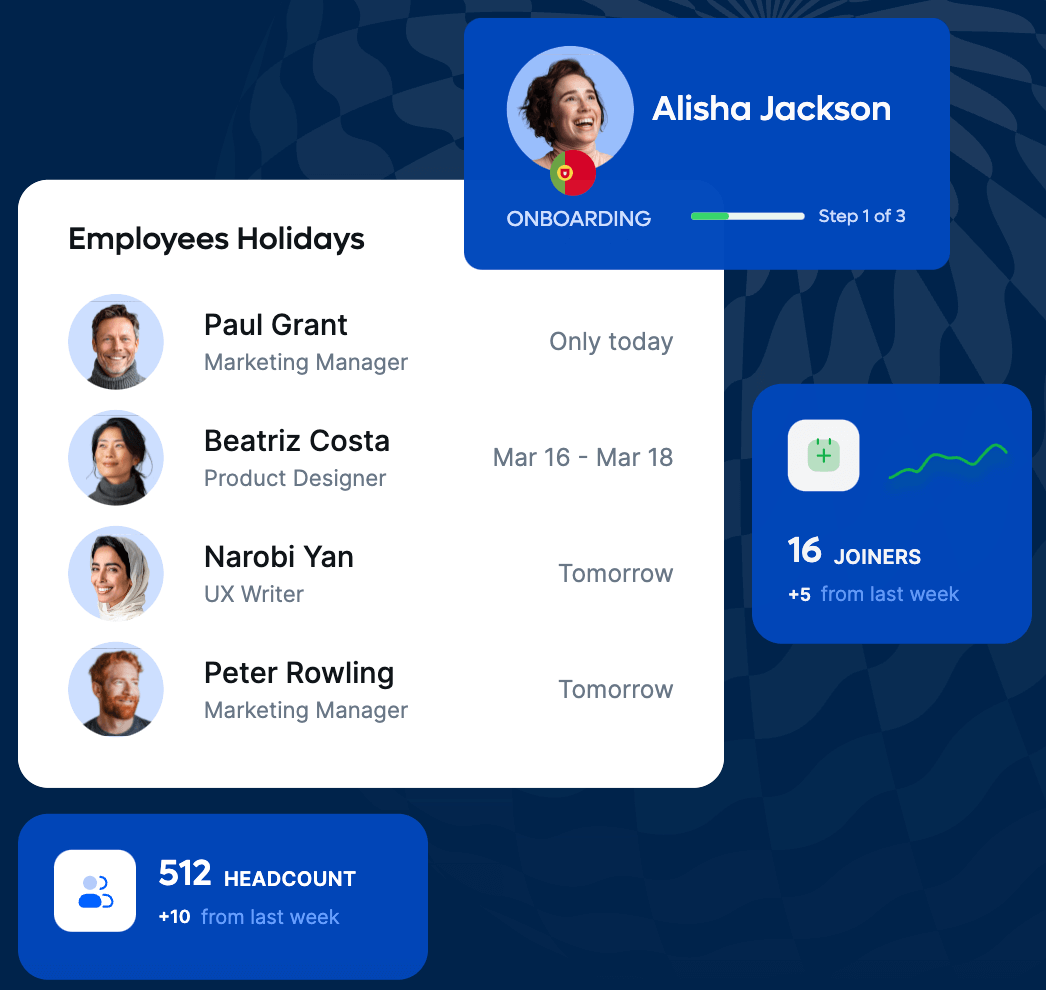
Thinking of bringing your superstar contractor on board as an employee? Remote's got your back. We streamline the entire transition process, handling all necessary paperwork, payroll adjustments, and benefits enrollment. We even offer localized contracts that are tailored to specific laws to ensure a compliant transition.
Then comes the onboarding process. Remote simplifies that step, too, with our fast and painless onboarding process . Plus, if your needs change in the future, we also provide support for employee to independent contractor transition .
Hire with confidence
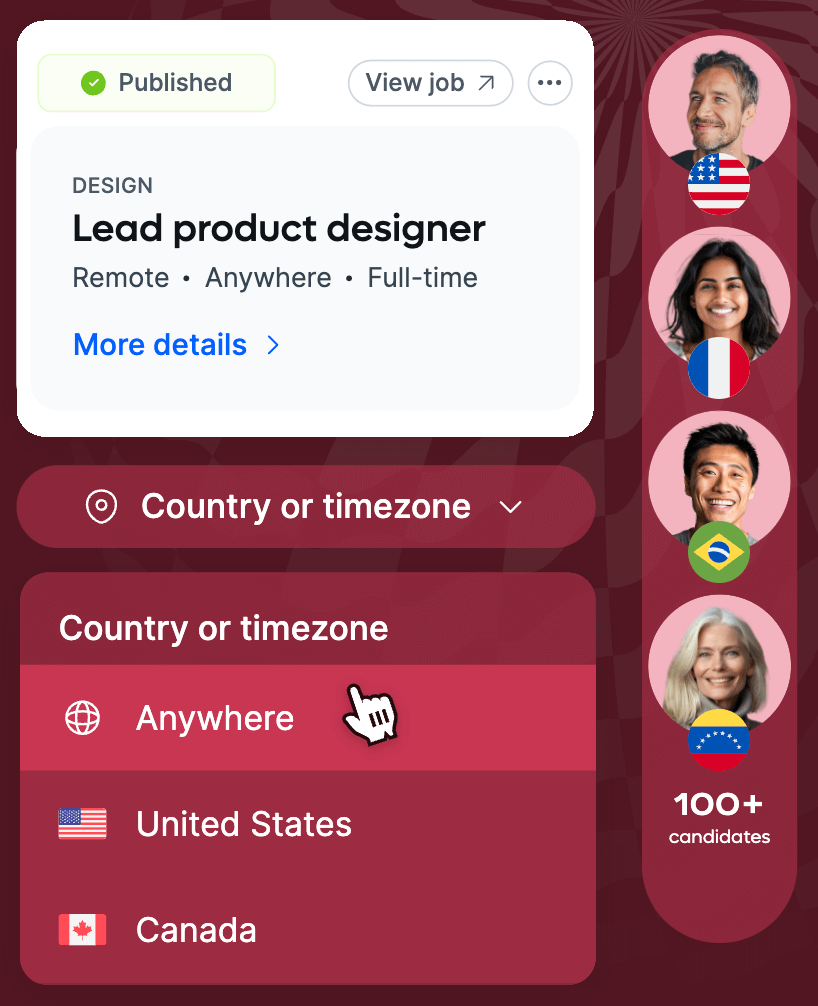
Your dream team shouldn’t be limited by borders. Tap into a vast pool of pre-vetted global talent with Remote.
List jobs and hire the best remote talent out there on our platform. You can also use our compensation explorer tool to help you craft a competitive compensation package for wherever you hire.
Proactive misclassification risk assessment
Worried about accidentally misclassifying your workers? Our employee misclassification risk tool can help you evaluate your current workforce and identify any potential issues.
Remote's legal and HR specialists can also provide personalized consultations to maintain compliance with local labor laws, minimizing the risk of misclassification.
Leave worker misclassification problems behind
Staying compliant while growing a global team shouldn’t be stressful. Remote makes it easy for companies of all sizes to work with global teams and mitigate misclassification risks.
Our contractor payment services , in addition to localized payroll, benefits, and taxes, ensure everyone who works for your company is categorized correctly and treated fairly.
Whether your global team includes 10 people or 10,000, we are ready to help — sign up now .
FAQs for misclassifying employees and its penalties
Find the answers to common questions about employee misclassification here:
How common is it for a business to misclassify workers?
Misclassification is a common problem, whether it's willful misclassification or not. Some businesses misunderstand the complex rules, while others deliberately misclassify workers to save money by not paying for benefits or overtime.
The rise of the gig economy has made it even harder to tell the difference between employees and independent contractors.
How much can an employer be sued for misclassifying its employees?
The amount sued for depends on the number of affected workers, the length of the misclassification, and the laws violated.
Fines can range from thousands to millions of dollars, including back wages, overtime pay, benefits, damages, and legal fees.
In cases where class-action lawsuits are filed, companies are susceptible to larger payouts, as the damages are multiplied by the number of workers involved.
How do I correct employee misclassification?
You can correct misclassification through the following means:
Voluntary reclassification: Employers can proactively reclassify misclassified workers as employees and provide them the benefits they’re entitled to.
IRS Voluntary Classification Settlement Program (VCSP): This program allows employers to voluntarily reclassify their workers and receive partial relief from federal employment taxes.
State programs: Some states offer similar programs to the VCSP, providing tax relief or other incentives for employers who voluntarily correct their mistakes.
Consulting with legal counsel: Contacting an employment lawyer can help you figure out the necessary steps to reclassify a worker.
Implementing clear policies and procedures: Establishing clear guidelines for classifying workers and conducting regular audits will help prevent misclassification.