How to boost your employees’ productivity

Only 41% of employees are consistently performing at their best. Workforce productivity is a complex issue that has different causes during the employee life cycle . That’s why it’s important to consider the cause when looking for solutions to increase productivity.
This article offers guidelines for gauging productivity levels at your company, as well as detailed tips for improving your employees’ productivity.
How do you measure your employees’ productivity?
Employee productivity is a key indicator of the health and efficiency of an organization. It measures how effectively employees and teams work toward achieving the organization's goals.
As a professional in HR management , you likely have an idea of how productive your workforce is, gleaned from annual reports, exit interviews , and manager complaints.
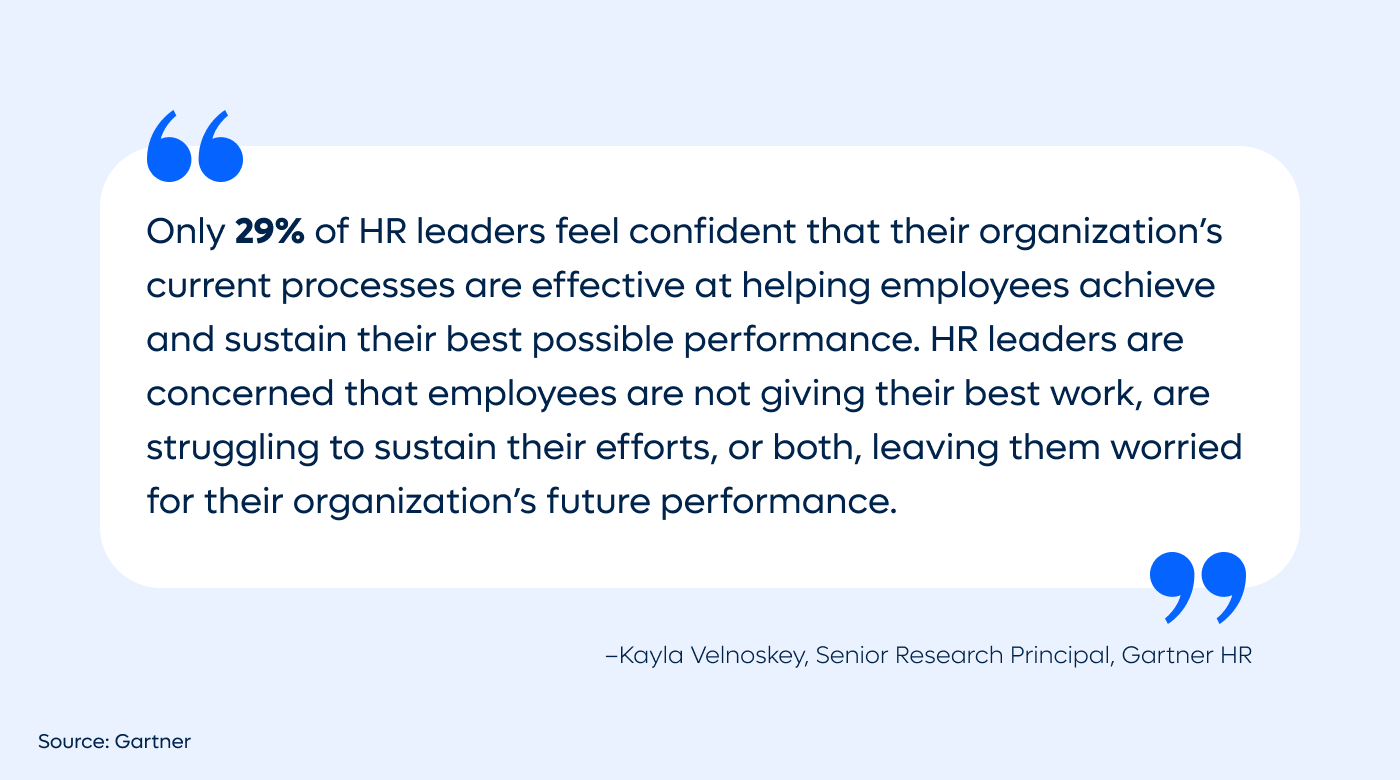
If your company is dealing with low productivity levels, it’s essential to quantify the problem so you can apply the right solutions as part of your talent management strategy.
Here are some effective ways to measure employee productivity.
Track the quantity and quality of deliverables
Keep track of how many projects or tasks employees complete within a given timeframe. Comparing this output to the goals or benchmarks the company works with will show you their productivity levels.
Keep in mind, though, that it’s not just about the quantity of work completed but also the quality. Organize regular quality checks to make sure the deliverables meet the required standards.
In general, high-quality work with fewer revisions or redos indicates high productivity.
Track employee time
Use time-tracking tools to monitor how employees are spending their work hours. Your employees may be spending too much time on low-priority tasks, or are too overworked to be productive.
Use the data you collect to build a more productive workforce. You can talk with your employees if their workload needs to be adjusted, or if they should prioritize other tasks.
Measure customer satisfaction
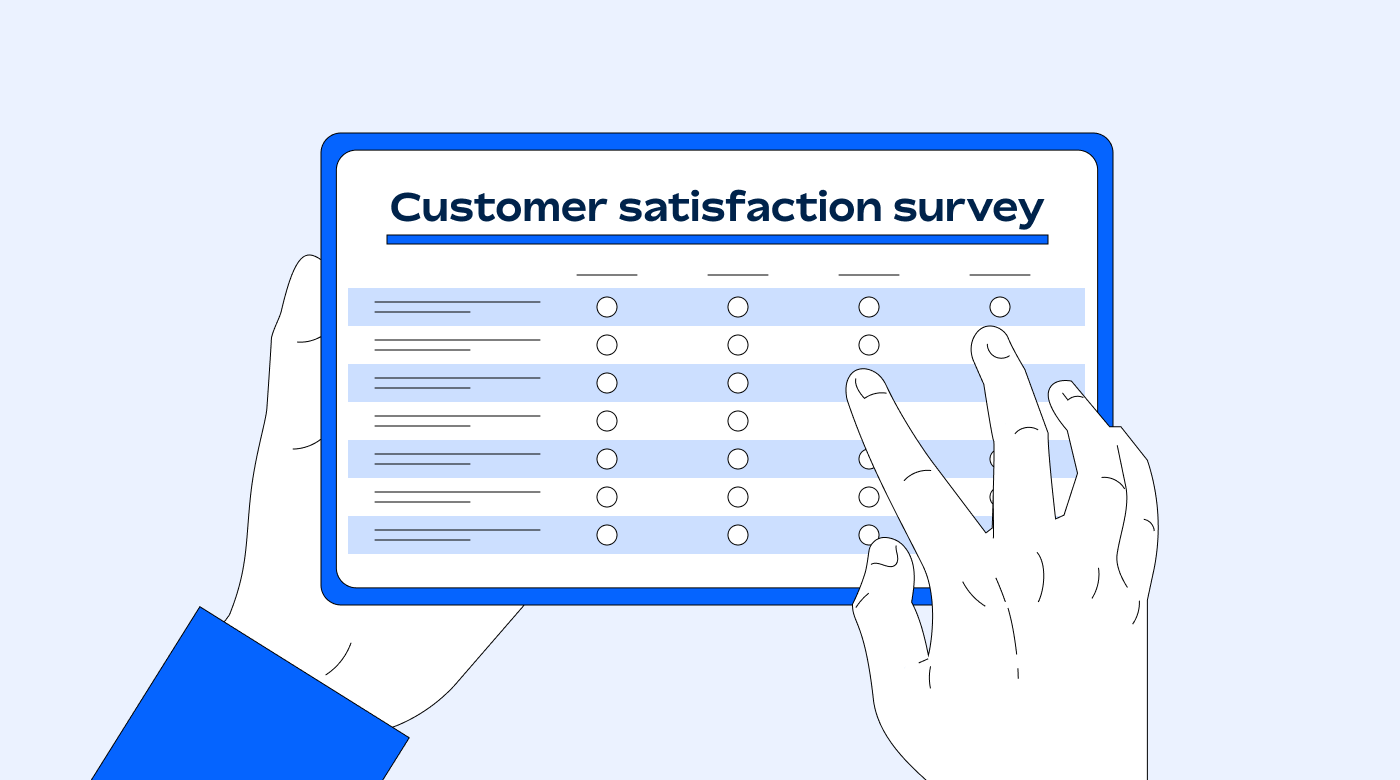
Use customer satisfaction surveys to determine the impact of your employees' work on your clients or customers. Satisfied customers are often a direct reflection of your employees' productivity and quality of the work.
Monitor customer acquisition and retention rates as well. Tracking changes in the company’s customer base can serve as an indirect measure of employee productivity.
Other ways to measure employee productivity
Self-assessments and peer reviews can give you valuable insights into how employees view their own productivity and that of their colleagues.
Track the number of new ideas and improvements employees suggest. Innovation is a solid indicator of productive employees and an engaged workforce.
Also, monitor employees’ participation in training and development programs. Eagerness to participate typically shows a willingness to improve and contribute more to organizational goals.
You can use this data to implement targeted interventions to improve employee productivity and ultimately drive your organization’s success.
1. Set clear goals and expectations
Without clear goals and expectations, employees can feel directionless and uncertain about their priorities.
To boost your employees' productivity, set clear, achievable goals for each team and individual.

Help employees set specific, measurable, achievable, relevant, and time-bound (SMART) goals. That way, they can focus their efforts, and you can measure their output against predefined criteria.
Also, don’t wait for annual reviews to provide feedback. Regular check-ins and constructive feedback help employees know what they're doing well and where they can improve.
2. Help employees feel valued and experience their work as meaningful
Employees who don’t feel recognized or don’t understand the significance of their work will lack motivation to stay with a company. This problem may particularly impact high-performers who feel underutilized. Without seeing the value of their contributions, employees are less likely to be productive.
Employee can feel valued when you regularly acknowledge and reward their hard work and accomplishments. Recognition can come in many forms, from verbal praise during meetings to formal awards or bonuses.
Help your employees see the larger picture by showing your employees how their work contributes to the organization's overall mission and business goals. For instance, use staff meetings to highlight successes and talk about the specific teams or departments that made those successes possible.
3. Create a positive work environment
Employees naturally disengage from uninspiring or negative workspaces. Since a poor work environment decreases employee morale and productivity, focus on creating a healthy work culture.
For example, offer a comfortable and inspiring workspace. Whether your team is in-office, remote, or hybrid, ensure that the work environment is conducive to productivity. This means offering comfortable seating, good lighting, and access to the necessary tools and resources.
Also, encourage an environment where employees feel comfortable sharing their ideas, feedback , and concerns. A company culture of trust and transparency can significantly boost morale and productivity.
4. Take care of employees’ health, both mental and physical
Neglecting employees’ mental and physical health can lead to increased absenteeism , reduced productivity, and lower job satisfaction.
Encourage employees to maintain a healthy work-life balance by setting clear boundaries between work and personal time. This could mean discouraging after-hour emails or supporting flexible work schedules.
You can also offer programs that support physical and mental health, such as gym memberships, wellness apps, mental health days, and counseling services. A healthy employee is much more likely to be a productive one.
5. Offer opportunities for employees to work from home
Employees can face burnout from rigid work environments. A hybrid or remote work setting that embraces flexible work schedules can help increase productivity and employee satisfaction. It can also support a healthy work-life balance for your employees.
Experiment with flexible or remote work arrangements, like fully-remote or hybrid options. These opportunities attract top talent and accommodate different working styles. Ultimately, flexible work opportunities help maintain productivity levels and increase employee satisfaction.
If you are worried about managing a distributed team with flexible schedules, consider partnering with a HR platform like Remote. Remote HR Management is specifically designed for companies that are expanding their teams internationally or moving toward remote work.
Whether you have a team of international employees or independent contractors , Remote HR Management helps you manage a global team unlike traditional human resource information systems (HRIS).
For example, Remote HR Management helps you manage remote employees by simplifying payroll, benefits, taxes, and compliance no matter where your employees are located. This support allows employees to focus on their work without worrying about delayed payments in foreign currencies or problems with their benefits .
6. Support career growth
Employees can feel stuck when they lack career growth opportunities. A sense of stagnation, particularly among high-performers, results in poor performance and employee dissatisfaction, coupled with low productivity.
To avoid employee dissatisfaction, offer more employee development and professional learning opportunities. Employees are more likely to be engaged and motivated when they see opportunities for professional growth within the organization.
For example, you can:
Offer ongoing training programs, workshops, and mentorship opportunities in-house. Consider learning and training opportunities from online sources or experts outside the company.
Encourage cross-training to improve employee development. An added benefit is that your workforce will be better able to handle unexpected situations or absences.

7. Embrace project management tools
Team members can get frustrated when they do not have the right tools for project management. Lack of communication can also lead to missed deadlines and low-quality work.
Be proactive and invest in project management tools so that your employees can be productive. For example:
Collaboration tools like Asana, Trello, or Monday make teamwork easier. Project management tools help both high-performers who want more efficiency in their work and less engaged employees who need more structure.
Tools like Slack, Microsoft Teams, or Zoom can facilitate better communication and collaboration among team members. They work to keep everyone connected, especially in remote or hybrid work environments.
Support your employees’ productivity with a modern HRIS
Improving employee productivity is not a one-size-fits-all approach. It requires deep insights into the causes of specific productivity problems, plus a combination of strategies tailored to your organization’s and employees’ unique needs.
To help resolve productivity problems in your international company, consider investing in Remote. With Remote HR Management , your employees can self-serve for requests, store documents, and go through performance reviews all in one place. A strong platform like Remote HR Management helps your employees stay focused and productive.
Chat with one of our HR experts to see what Remote can do for you.